Psych-Education & Adult Attachment Healing.
A scrap book of useful mental health resources that make up a rough theory of developmental mind.
all copyright belongs to the original holders, please buy their books if any of this resonates. Content and images are used under 'Fair Dealing'.
This is a mix of references to psych concepts or things I have experienced or seen in my child. Leanings of the lived experaince. I'm not academic and should have saved/referenced more studies as I came across them. Your genetics or struggle might need other concepts. I'm probably missing stuff e.g. TRE (Tension & trauma release exercises) could be useful. It is about finding what is your play. E.g Someone might like yoga vs feldenkrais.

Copyright Steven Simmons ©

The Neuro Sequential Aspect
1
Brain-stem
Temp Regulation
Cardiovascular
Attention/Tracking
Safety
2
Mid Brain
Motor Skills
Sleep
Sensory integration
Appetite
3
Limbic
Relational
Attunement
Reward
Affect Regulation
4
Cortical
Thinking
Verbal
Self
Performance
Beliefs/Morals
5
Further Levels
super systems level of thinking
  • The brain develops sequentially, healing happens sequentially. Trauma's might need to be processed sequential. Children will often guide this process intuitively. Development of self needs to happen sequentially.
  • Healing only happens when you are in the 'right' cortical part of the brain.
  • Trauma and stress freezes development and limits potential.
  • As development goes off under overload, the impacted part of the brain can be seen in how the above functions get impacted.
Bruce Perry's - NeuroSequential Network. (Neurosequential Network's Stress & Trauma 14 part Series on youtube)
Loading...
The Sequence of Engagement
Loading...
There is also a sequence of healing for the most safest outcome and processing of trauma. Children will subtlety lead this process through their behaviors. This aligns with Dr Daniel P Browns work that found healing the attachment before processing trauma prevented risk of patients getting more disorganised.
A study found that trauma processing in patients with a disorganised attachment made them more disorganised. Healing the attachment lead to a high coherence of mind and sometimes resolution of unresolved trauma without any trauma processing. This is not exposure therapy where the adult exposes a child to their fears via play. This is always child led or games that are discussed and agreed with the child first. This prevents re-traumatisation and further disorganization.

In our opinion, the available trauma-processing models of treatment in the 1990s and 2000s fail to consider the differential contribution of insecure, largely disorganized attachment to overall adult psychopathology. What Dr. Brown observed in many of these cases was that systematic trauma processing with patients who had disorganized attachment aggravated by abuse in later childhood often led to further disorganization of mind.
We began to focus our treatment of these patients primarily on the treatment of the disorganized attachment component of their complex trauma, using the methods we have developed and outlined in the rest of this book. We found that by using this attachment-based treatment over time, our complex trauma patients were achieving high coherence of mind (on the AAI) and sometimes resolution of unresolved (Ud) status (on the AAI) without having done any type of trauma processing.
from: attachment disturbances in adults treatment for comprehensive repair p122 Daniel P Brown.

Copyright Steven Simmons ©

Brain Networks
The human brain operates through interconnected neural networks, each serving distinct yet complementary functions. These networks will be developing over the early years and maintained over life. The 7 main ones are:
Default Mode Network (DMN)
Activates during rest and self-reflection, crucial for autobiographical memory and social understanding
Salience Network
Detects and filters important information, helping direct attention to relevant stimuli and switching between CEN & DMN
Central Executive Network
Manages complex cognitive tasks, decision-making, and goal-directed behavior
Sensorimotor Network
Processes sensory input and coordinates motor responses and movement
Visual Network
Handles sight and visual processing.
Dorsal Attention Network
Hold attention for external directed focused tasks and ignored environmental distractions
Limbic Network
Processes emotions and manages emotional responses to experiences
These networks form over the first 5-7 years of life and then continue to be refined and re-enforced until adulthood and beyond.
Michael Posner (1998, 2012), distinguishes three attention networks. Each of these networks is responsible for different attention processes:
  • Alerting network (when): this network is responsible for achieving and maintaining high sensitivity to incoming information Modulator: Norepinephrine
  • Orienting network (what): this network is responsible for selecting task-relevant information Modulator: Acetylcholine
  • Executive attention network (how): this network regulates the appropriate processing for a given task and monitors its execution. Modulator: Dopamine

PubMed Central (PMC)

Attention networks and the intrinsic network structure of the human brain

Attention network theory distinguishes three independent systems, each supported by its own distributed network: an alerting network to deploy attentional resources in anticipation, an orienting network to direct attention to a cued location, and a ...

Different types of play activate different parts of the brain and develop these networks, play that get you into the flow state together develop concentration and attention. Parents can pass on their concentration challenges through their own play styles.

Copyright Steven Simmons ©

The Default Mode Network
The default mode network is one of seven brain networks, it is active during rest and sleep, and most active when the mind engages in internal thought or contemplation. When you remember an event from your childhood, imagine a future vacation, or contemplate a family member’s thoughts or feelings, your internal mind drives these perceptions. The default mode network also stores your 'internal working model' attachment patterns.
Abnormal function in the default mode network is often associated with neuropsychiatric disorders. If the network becomes overactive, it can lead to intensified, self-referential thought as a symptom of schizophrenia or negative and disruptive thoughts associated with depression and post-traumatic stress disorder (PTSD).
Altered functional or structural organization of the DMN has also been implicated in autism spectrum disorder (ASD). Individuals with autism are often characterized by difficulty processing the emotions and feelings of others, in relationship to one’s self. Underlying DMN dysfunction may contribute to an individual’s difficulty processing social situations and information.
It has also been posited that higher functional connectivity between the DMN and other brain networks may be an underlying symptom of attention-deficit/hyperactivity disorder (ADHD). This abnormal connectivity may be linked to mind wandering and wavering attention. With regard to neurological disease, the earliest stages of Alzheimer’s disease often exhibit degradation of the posterior cingulate cortex. This key node in the default mode network is responsible for memory formation and retrieval, making it a common target of the disease. In some cases, individuals even experience disruption in the DMN prior to showing signs of Alzheimer’s disease. With the DMN being a relatively recent discovery for neuroscience, modern research is still uncovering its full implication on mental illness and physical disorders.
The figure below details PTSD impact to the switching of brain networks and how it impacts the salient network switching between the default mode network and central exec network:

Copyright Steven Simmons ©

Insula Cortex
The insulae are believed to be involved in consciousness and play a role in diverse functions usually linked to emotion or the regulation of the body's homeostasis. These functions include compassion, empathy, taste, perception, motor control, self-awareness, cognitive functioning, interpersonal relationships, and awareness of homeostatic emotions such as hunger, pain and fatigue. It also plays a role in controlling the salient network and switching between the brain networks.
Autism spectrum disorder (ASD), a neurodevelopmental condition, has increasingly been linked with atypical activation and connectivity of the insular cortices
It has been noted that insular dysfunction may actually be a common transdiagnostic characteristic. In a meta-analysis of voxel-based morphometry studies looking across diagnostic groups including schizophrenia, bipolar disorder, depression, addiction, obsessive-compulsive disorder, and anxiety, Goodkind and colleagues found evidence for convergent gray matter loss in bilateral dorsal anterior insular cortices (Goodkind et al., 2015). This shared neural substrate across psychopathologies has now been noted across numerous studies involving a range of psychiatric and neurological disorders (Namkung et al., 2017)
Insular function in autism: Update and future directions in neuroimaging and interventions

www.sciencedirect.com

Loading...

  • Oxytocin treatment may alter insula function in autism.
  • Music therapy may also influence insula function to improve symptoms.

Copyright Steven Simmons ©

The Amygdala: Emotional Processing Center
Structure & Location
Located deep within the temporal lobes, the amygdala consists of almond-shaped clusters of nuclei on each side of the brain. This primitive brain structure is part of the limbic system, our emotional processing network.
Key Functions
  • Processing and regulation of emotions, particularly fear
  • Formation of emotional memories
  • Threat detection and survival responses
  • Social behavior and emotional learning
Clinical Significance
Dysfunction in the amygdala is associated with various conditions including anxiety disorders, post-traumatic stress disorder (PTSD), and social processing difficulties.
The vagus nerve, amygdala and insular cortex all work together in regulation, fight/flight, sensory activation/integration and your bodies homeostasis and introception.

Copyright Steven Simmons ©

Harvard Centre on the Developing Child
The PDF details early brain development and the impact of stress to the brain.

Center on the Developing Child at Harvard University

InBrief: The Science of Early Childhood Development

Early experiences establish either a sturdy or a fragile foundation for all of the learning, health and behavior that follow.

Items impacted in developmental delays and emotional overload are related to brain development in the first 5 years. Networks then get pruned until adulthood. Autistic children have less pruning happening.

Copyright Steven Simmons ©

The Vagus Nerve: One of the Key Regulator of Body Functions
Note: Its more than the vagus nerve. Its the central channel of nerves that go from the brain to genitalia that cause a shiver. Its a similar shiver to a sexual climax that releases positive chemicals, its like a prolonged pee shiver if you go into a full trauma release shiver, the vibration to a good belly laugh. Some people might have to get their body to go into that full trauma release shiver to release their unresolved traumas via similar triggers.
Autonomic Regulation
Controls heart rate, breathing patterns, and blood pressure through parasympathetic activation, promoting the "rest and digest" state. It also plays a part with temperature regulation.
Emotional & Trauma Response
Plays a crucial role in stress response, anxiety regulation, and emotional well-being through the gut-brain axis. Depending now it vibrates, determines if calming or stress related brain chemicals are released.
Digestive Function
Regulates digestion, gut motility, and secretion of digestive enzymes throughout the gastrointestinal system
Anti-inflammatory Response
Mediates the body's inflammatory response through the cholinergic anti-inflammatory pathway, helping to reduce inflammation
The article below details a link between inflammation and anxiety/dopamine and concludes that the neuroinflammatory consequences of systemic immune challenges can give rise to sickness-like behaviors and mood disturbances that include blunted locomotor activity, anxiety and reduced sociability.
https://www.sciencedirect.com/science/article/pii/S0889159125003964
Kelly Mahler has lots of courses on interception and Occupational Therapy integration concepts.

www.kelly-mahler.com

On-Demand Courses - Kelly Mahler

Check out our FREE printables that will help you in your interoception journey.

Buddhist Tummo and Ice Baths are good ways to physio this system of nerves as its the same system that releases trauma, that does temperature management.

Copyright Steven Simmons ©

Fascia
Fascia is a thin layer of connective tissue that encloses each organ, nerve fiber, muscle, blood vessel and bone in its proper position. In addition to providing internal structure, fascia has nerves that give it almost the same sensitivity as skin. It tends to tighten up when stressed. As per the Watson Headache technique theory, when nerves have tissue tightening around them they become more sensitive and aggravated.
This is why pain can hurt more, tissues tensing pulling on the cut or tensing up hurting more. When in overload all these tissues tighten up impacting already sensitive nerves making senses stronger. In getting all these muscles to relax, sensory experiences can become a little less intense.

Frontiers

Frontiers | Fascia as a regulatory system in health and disease

Neurology and connective tissue are intimately interdependent systems and are critical in regulating many of the body's systems. Unlocking their multifaceted...

An autistic person (https://www.reddit.com/r/AspiesJourney/) has created a guide for reducing body tightness and pain via fascia stretching work you can do yourself at home. https://drive.proton.me/urls/B2MJ1M6NK0#1Eqt0tfQQN7u

Erik Dalton Blog

Fascia as a Sensory Organ - A Target of Myofascial Manipulation - Erik Dalton Blog

The following is an excerpt written by Robert Schleip from chapter #9 of  Erik Dalton’s book, Dynamic Body: Exploring Form Expanding Function, which features guest contributions from some of the leading thought leaders and practitioners in the massage profession. The rest of the chapter can be read in the Dynamic Body textbook, available as part … Fascia as a Sensory Organ – A Target of Myofascial Manipulation Read More »

Copyright Steven Simmons ©

The Divers Reflex and Central Channel
The divers reflex is a physiological response to cold water submersion, involving the vagus nerve slowing the heart rate and redirecting blood flow. This reflex helps conserve oxygen and maintain blood pressure, a survival mechanism observed in many mammals.
The vagus nerve also plays a role in the fight/flight/freeze response, and its activation via cold therapy can bring someone out of a traumatized state. The resulting release of chemicals like dopamine and endorphins release acts as a natural antidepressant. A short healing window occurs as it appears to put ones brain waves into the healing part.
Ice is not needed: Adults only need 21C and babies have a more sensitive reflex. Whilst the divers reflex is activated by the face, shivering is more important for stress release, its more about putting your body into temperature regulation mode vs stress/trauma mode. The face does not have to go in water, running in and out of the sea, playing in an outdoor paddling pool are all adequate for children.

Keep it fun and playful sensory exploration, connecting the body to the environment. Keep the child feeling powerful and in control. The sea and waves can be scaring and over powering for children. Be safe and sensible. Bays and outdoor pools are great. Body boarding is another activity.
Activating the shiver, creates a window of healing to allow healing of this natural release, before emotional overload returns. Over time as a child's starts to release more emotion, it will start to take longer and longer before overload returns. A school term longer than 8 weeks often puts most children into an overloaded state and ruptures with peers start.
This article covers the different chemicals from the stress of cold from full body immersion vs the face and triggering the divers reflex response.

Lifestyle Medicine

Jumping into the Ice Bath Trend! Mental Health Benefits of Cold Water Immersion

By Maya Shetty, BS Key Takeaways Research shows that cold water immersion (CWI) may improve mental health by increasing endorphin and norepinephrine levels.  CWI may also improve resilience to stress by decreasing cortisol levels. CWI can be adapted to meet different wellness goals, whether for immediate relief or long-term mental health benefits. For individuals seeking […]

Copyright Steven Simmons ©

The Senses
Tactile
The sense of touch, including pressure, temperature, texture, and pain sensations through the skin and body.
Auditory
The sense of hearing, processing sound waves and vibrations through the ears.
Proprioception
Body awareness - knowing where your body parts are in space without looking, muscle and joint position sense.
Vestibular
Balance and spatial orientation, processed through the inner ear, helps with movement and equilibrium.
Visual
The sense of sight, processing light and visual information through the eyes.
Oral
Taste and oral sensory processing, including flavors, textures, and temperatures in the mouth.
Olfactory
The sense of smell, detecting and processing odors through the nose.
Interoceptive Awareness
Internal body awareness - sensing hunger, thirst, heart rate, breathing, and other internal bodily signals.

Copyright Steven Simmons ©

Sensory Presentations
© Georgina Ahrens, Kids World Therapy

Copyright Steven Simmons ©

Piaget's Developmental Theory
Sensorimotor Stage (0-2 years)
infants learn through their senses and actions. They develop object permanence. This stage is characterized by exploration and physical interaction with the environment.
Preoperational Stage (2-7 years)
Children begin to use language and engage in symbolic play but struggle with logical reasoning. They are egocentric, having difficulty seeing things from perspectives other than their own. They also exhibit animism, attributing human characteristics to inanimate objects.
Concrete Operational Stage (7-11 years)
At this stage, children start to think logically about concrete events. They understand concepts of conservation (the idea that quantity doesn't change despite changes in shape or appearance) and can categorize objects and perform mathematical operations, although their reasoning is still tied to concrete situations. Children become less egocentric.
Formal Operational Stage (11 years and up)
Adolescents develop the ability to think abstractly and logically. They can consider hypothetical situations, use deductive reasoning, and understand abstract concepts, which allows for advanced problem-solving and critical thinking.
Loading...
Steve Biddulph Raising Boys/Girls details what is developmentally excepted in each phase and gender in a more parenting specific lens.

Copyright Steven Simmons ©

1
Attachment Theory
-Anxious vs Disorganized
-Everyone strives for secure
early interactions with caregivers shape an individual’s attachment style (secure, anxious, avoidant, or disorganized). These styles influence emotional regulation, relationship patterns, and overall mental health in adulthood
Disorganised is not just caused by trauma. A too silly and inconsistent caregiver can cause confusion, too hyper play can be over stimulating and become frightening to a child
2
Internal Working Model
Internal working model is an internal map of the world that a child creates based on it's attachment figures and environment. Why a tribe is more effective than 1-2 parents alone.
-first 18months watching and building the rules of the world
-toddler years testing rules of the world out
-default mode network forming until 5 and stores the internal working model
-Healing doesn't move to secure straight away when healing
3
Serve and Return.
-Children play out a c with their parents; explore/watch over, return/nurture
Circle of Security is a course for under 5s. That teaches how this circle can be observed with the parent.
This circle can be seen being tested with peers and teachers as children test out their internal model with the wider world and relational figures as they grow beyond 5-8 years old.
Loading...
-Shark Music that passes generationally
Loading...
4
Sensory Processing and Attachment
Beacon house a child trauma center in the UK have a good PDF detailing how attachment and connection supports sensory integration
Beacon House also have a good one on developmental trauma and how parents own trauma can block their ability to play, along with some good courses.
5
Factors that lead to a secure attachment
John Bowlby, Mary Ainsworth work. attachment disturbances and adults treatment for comprehensive repair, Daniel P Brown. Consolidates all the latest research on Attachment Theory as of 2016.
Picture from Attachmentrepair.com

Copyright Steven Simmons ©

Somatic Experiencing
Somatic Experiencing is an approach that helps individuals overcome trauma and stress. By focusing on physical sensations, it allows the body to naturally release pent-up energy and emotions, facilitating deep healing.
This method recognizes trauma as both psychological and physical. When the body is overwhelmed, it can become stuck in hyperarousal or dissociation. Somatic Experiencing gently guides clients to become aware of these bodily sensations, helping them re-establish safety and control.
It teaches that mammals release trauma through trembling, shivering and body movements. You only need to experience it and release it once with someone to release the trauma. This tremble/shiver is part of the vagus nerve function. Its the same shiver from being cold. If you have ever cut your self badly and go into shock, it's being comfortable to let that shiver run through you as at the end of it you get a big release of chemicals that calm you and block pain.
There are two parts to this release:
1) The shiver/whimper/double breath at the end of your cry.
2) A full body shiver that you go into for bigger trauma's.
A similar shiver that releases positive brain chemicals can also be felt during a belly laugh and sexual climax.
The goal is to have a healthy release, a shiver and tremble that flows through you with no resistance. It could be completely healing it and re-activating it or it could be releasing trapped sensations from past traumas. e.g. completing a body movement/twitch of an arm or leg.
Some peoples sensitivity level might mean they need to be able to go into a full trauma tremble and not just a cry to release the built up stress.
If you are stressed and feel restless leg type twitches that can be your body trying to release stress.

It feels like a prolonged pee shiver, the release of temperature and energy through the body.
Loading...

Copyright Steven Simmons ©

Adult Attachment Healing
Research out of Harvard found that complex PTSD is an attachment disturbance (usually disorganized) with later trauma on top. Via healing the attachment there was 100% success in resolving complex trauma. With little need or just minimal exposure work needed for trauma healing.
Dr Daniel P Brown found that CPTSD was a disorganized attachment, if you treat the attachment disorder instead of processing trauma, therapy didn't make people worse.
Attachment Disturbances in Adults: Treatment for Comprehensive Repair Hardcover – 2016 by Daniel P. Brown, David S. Elliott
Integrative Attachment Therapy (Ideal Parent Figure Protocol) was created out of that research. The approach focuses on 3 key areas;
  • Exploration & Collaboration - enhancing collaborative ability and skill
  • Meta Cognitive Awareness - Increase awareness of your internal state
  • Ideal Parent Figure Mentalizations - Create imaginary ideal parents figures and visualize them meeting your attachment needs during past and current life events.
Applying the concepts to a developing child:
  • Exploration & Collaboration - Working within a classroom and playing the 9 play types on a playground and with parents, enjoying hobbies & sports.
  • Meta Cognitive Awareness - Developing concentration and awareness of self, thought and introception via play the natural way vs meditation.
  • Ideal Parent Figure Mentalizations - Use Attachment Play and collaboration, parents get to be the Ideal Parent Figure.

Copyright Steven Simmons ©

Adult Attachment Healing Concepts
Loading...
This talk inspired the creation of this pack. How can one heal a child before they become adults, how would you create a realized leader of the future?

In the 2nd ½ of the talk Dr Brown talks of studies on meditative states:
Harvard Researches have just mapped the buddhist state of Nirodha Samapatti (Cessation): For the first time, they have been able to use brain imaging techniques to observe material correlates related to this meditative event in advanced meditators: the physical signature of the human brain in this condition...
Equally important, the material patterns observed, when compared and decoded quantitatively against existing brain-mapping indices, aligned strikingly with indicators of well-being and the absence of suffering.- https://x.com/MatthewSacchet/status/1967541972383441069?t=41WSK5xCkRgBLH_O-qVBiw
This is an interview with Dr. Daniel P. Brown where he talks though through the path of psychological and spiritual development, from attachment and trauma to esteem and relationship to awakening and buddhahood.

A New Republic of the Heart

011 Dr. Daniel P. Brown – The Integrated Path from Healthy Attachment to Buddhahood | A New Republic of the Heart

Harvard psychologist and senior meditation master Dr. Daniel P. Brown guides us through the entire path of psychological and spiritual development—from

Copyright Steven Simmons ©

Ideal Parent Visualizations & Our Natural Release
Dr Brown's work details that visualization are able to repair an internal working model. EMDR is a form of symbolic play, not REM sleep and using a visual re-mapping.
The same thing can be done within ideal parent figure visualizations; The 4 connecting attachment play types can be used to build and strengthen the attachment with the imagined parents. e.g. Imagine a game of hide and seek where the ideal parents delight enthusiastically at your reunion.
The 5 transformative play types can also be used for resolving stress & trauma. Power-Reversal for power & control challenges, games like mean teacher or bully from Aletha's Attachment play book where you make a model of the person and smash them up. Instead of a teacher, it's your annoying colleague or boss that you are visualizing smashing up in a game with your ideal parents.
Same with crying and shivering, learning to go into this release whilst visualizing ideal parents to support you as a way to clear trauma that is held within the body.

Copyright Steven Simmons ©

Theories on Stages of Consciousness
There are a number of theories that envelop Piaget's that focus on the Stages of Consciousness and development beyond adolescence.
Richard Barrett - Barrett Model
The Barrett Model, is a framework for understanding human motivation and the evolution of values in individuals, organizations, and societies. It is based on the idea that human development occurs in stages, and at each stage, people and groups prioritize different values based on their level of consciousness. The Barrett Model is used in leadership development, organizational culture transformation, and personal growth to align values with higher levels of consciousness, fostering well-being, innovation, and societal progress
They have developed material to show how a number of psychological concepts align with this model

BVC

Theoretical Support for the Barrett Model® — BVC

The Barrett Model® has proven to be a powerful framework for realizing human potential for leaders and organizations across the globe. The Barrett Model and BVC Analytics have assisted thousands of organizations across 94 countries to increase the health of their organizational culture, and thus, im

Key Elements of the Barrett Model:
  1. Seven Levels of Consciousness: These levels correspond to different stages of personal and collective development, from basic survival needs to self-actualization and service to others.
  1. Values-Driven: The model is based on the belief that values are at the core of human motivation. As individuals and organizations evolve, they shift their focus from lower-order needs (such as security and relationships) to higher-order needs (such as purpose and contribution).
The Seven Levels of Consciousness:
  1. Survival (Basic Needs): Focus on personal survival, financial stability, and health.
  1. Relationship: Concerned with forming emotional connections, seeking love, and belonging. (Attachment)
  1. Self-Esteem: Motivated by recognition, achievement, and respect from others.
  1. Transformation: Seeking personal growth, self-awareness, and learning.
  1. Internal Cohesion: Focus on finding meaning, purpose, and inner harmony.
  1. Making a Difference: Driven by service, social responsibility, and contribution to society.
  1. Service to Humanity and Future Generations: Focus on leaving a legacy, global consciousness, and making a long-term impact.
Key Points:
  • Lower Levels (1-3): These are focused on personal and ego-driven needs such as safety, relationships, and self-esteem.
  • Higher Levels (4-7): These emphasize growth, purpose, and contributing to the greater good.
Jean Gebser
a Swiss philosopher and cultural historian known for his work The Ever-Present Origin, where he explores the evolution of human consciousness and its relationship to culture, art, and society. His theories are particularly influential in understanding different "structures" or "altitudes" of consciousness.
Ken Wilber
Integral Psychology incorporates similar themes, developmental models from both Western psychology (such as Piaget’s cognitive stages, Erikson’s psychosocial stages) and Eastern traditions (such as the stages of consciousness found in Buddhism or Hinduism).
Wilber suggests that humans evolve along multiple lines of development, such as cognitive, moral, emotional, interpersonal, and spiritual. Each line may develop at different rates, meaning someone might be advanced in one area but less developed in another.
A visual of all developmental lines, states from integral theory
Stages of Consciousness in these theory's often mirror both societies and a single human's evolution.
  • Archaic/Infrared is in the brain-stem, survival
  • Tribal/Magenta is Limbic, attachment
  • Warrior to Post Modern/Red to Green are Cortical and Self
  • Integral/Teal to Turquoise are Soul
  • Post Integral/Violet is Spirit
Society is currently functioning mainly under Green/Post Modern phase, where individualization is celebrated when really we need to become one again and help each other as the living society we are. Through healing attachments generationally and teaching children meta cognitive awareness and self realization would societies shift as the way we all engage heals each other.

Similar to childhood stress, accumulated stress can impede development in adulthood. A healthy emotional & stress release function allows for continued conscious growth and potential.

Copyright Steven Simmons ©

Lines of Development
The Theory of Positive Disintegration speaks of Overexcitables and areas that they present. Wilber's Integral Psychology has lines of development.
People can under and overdevelop in each area. This creates a unique profile of each person. Lines over and under developing based on positive or negative environmental stimuli and epigenetic responses.
Theory of Positive Disintegration Overexcitabilities:
Psychomotor Overexcitability
Surplus of energy, restlessness, need for movement and physical activity
Sensual Overexcitability
Enhanced sensory experiences and aesthetic appreciation
Intellectual Overexcitability
Intense curiosity, love of learning, analytical thinking, and theoretical thinking
Imaginational Overexcitability
Vivid imagination, rich associations, fantasy, and creative thinking
Emotional Overexcitability
Intense feelings, deep relationships, emotional sensitivity and empathy
Wilber's Key Developmental Lines:
Cognitive Line
What am I aware of?
Kinesthetic Line
How should I physically do this? This would include sub lines like sensory and Psychomotor
Self-identity
Who am I?
This can fracture into parts
Needs Line
What do I need?
Values Line
What is important to me?
Ethics Line
What is the good thing to do?
Moral Line
What is the right thing to do?
Emotional intelligence Line
How do I feel about this?
Interpersonal Line
How should we interact?
Intrapersonal Line
How should I introspect?
Spiritual Line
What is of ultimate concern to me?
Aesthetics/Sexual Line
What am I attracted to?
Volitional Line
What can I do, what am I willing to do?

Copyright Steven Simmons ©

Unique Developmental Profile
You would then have an individual profile, your consciousness would be at the center, developing vertically as per the altitudes of development.
Lines of development are like spider legs developing outwards. Some might go off track, purely due to genetics, others could be due to environment not fostering development of them.
If development freezes from emotional overload, the below lines of development start freezing or over developing based on genetics, environment and age.
Each line could have sub lines like Kinesthetic would have Psychomotor & Sensory. Sensory having further sub lines of each sense like taste, smell, touch that can also under and over develop. Some might feed into others e.g. Spiritual, Moral and Ethics. Cognitive would have different brain networks developing over the first 5 years and adapting over the years via continuous neuro-plasticity.

Copyright Steven Simmons ©

Theory of Positive Disintegration and Giftedness
This Theory claims personal growth and self-actualization can emerge from inner conflict and emotional turmoil. Dąbrowski argued that individuals experience different levels of mental functioning, and that crises can lead to a "disintegration" of their previous understanding of self and the world.
This disintegration can be seen as a necessary and positive process, where individuals reassess their values and beliefs, ultimately leading to higher levels of development, empathy, and a more complex understanding of themselves and their relationships with others. Dąbrowski emphasized that this process is often accompanied by intense emotions and existential struggles, but it can foster greater creativity, moral development, and personal fulfillment.
Each level reflects a different degree of psychological complexity and integration;
Dąbrowski's framework emphasizes that progress through these levels is not linear and can involve setbacks and re-evaluations, but each stage contributes to personal growth and development.
The Dark Night of the Soul is a similar concept.
1
Level I: Primary Integration
This is characterized by a lack of internal conflict and a relatively simple, unreflective state of being. Individuals at this level tend to operate on instinct and societal norms without much critical thought.
2
Level II: Unilevel Disintegration
At this level, individuals begin to experience inner conflicts and emotional turbulence. They may start to question societal values and norms, leading to anxiety and uncertainty. This can manifest as a struggle between personal desires and external expectations.
3
Level III: Multilevel Disintegration
Here, individuals experience significant internal conflict, leading to a more profound questioning of values and beliefs. They start to develop a more complex understanding of themselves and others. This level often involves a struggle between higher and lower impulses, prompting personal growth through self-reflection.
4
Level IV: Directed (or Creative) Multilevel Disintegration
Individuals at this level actively seek to integrate their experiences and conflicts. They become more self-aware and compassionate, often developing a strong sense of purpose and creativity. Their values become more refined, and they begin to act in accordance with their deeper beliefs.
5
Level V: Secondary Integration
This is the highest level of development, where individuals achieve a harmonious integration of their experiences and values. They possess a high degree of empathy, moral sensitivity, and creativity. At this level, individuals often contribute positively to society and strive for self-actualization.
Loading...
The theory details over-excitables. Areas where the intensity and sensitivity of gifted people manifests. This part of the theory appears flawed. Most over-excitables are how the higher sensitivity of gifted peoples nervous system tries to release the repressed emotional build up when one's release isn't optimal for their level of nervous system intensity. ASD, ADHD and Gifted all have sensory dis-regulation but for gifted it gets the positive label of an over-excitable. When really these are all the same symptom and how it is presenting in different genetic types. If an over-excitable is presenting, emotion has built up and needs releasing.

Copyright Steven Simmons ©

Spirituality and Purpose

Research has identified a common set of factors that predispose children to positive outcomes in the face of significant adversity. Individuals who demonstrate resilience in response to one form of adversity may not necessarily do so in response to another. Yet when these positive influences are operating effectively, they “stack the scale” with positive weight and optimize resilience across multiple contexts. These counterbalancing factors include
  1. facilitating supportive adult-child relationships;
  1. building a sense of self-efficacy and perceived control;
  1. providing opportunities to strengthen adaptive skills and self-regulatory capacities; and
  1. mobilizing sources of faith, hope, and cultural traditions.
Spirituality, Faith, Hope & Cultural Traditions
Cultivating the above items allow a child to feel connected and part of something bigger than themselves.
When you take on a larger and larger perspective, ones become more inclusive. If people have a larger perspective that is humanitarian, civic, or spiritual and think from that larger interconnected perspective it has a profound impact for positive mental health.
  • It is the strongest predictor of well-being.
  • Work becomes a calling.
  • Resilience to face extreme stress increases.
  • Talents become scared gifts to manifest for humanity.
  • Intimacy becomes a sacred bond.
Cultural traditions often involve symbolic play and story telling. Western society often doesn't have space for these important social releases which get lost or suppressed impacting the well-being of indigenous societies.
Purpose
If a child fails to have a positive effect on people around them, or fails to receive delight in their mastery, their esteem and development of 'Self' is impacted.
Having a purpose and positive effect towards a greater meaning is a way for a person's to repair their esteem. Working towards your meaning and purpose also support the development of brain networks.

Copyright Steven Simmons ©

Development of Faith
Due to the nature of separation and attachment. Children will often start to explore the questions around death and what happens.
When left to their own imagination children will create their own belief system that mirrors a basic good place and bad place (Justin L Barett), with someone there to love you so they are not alone or that they can come back as something else. Or alternatively you come back as something else. This varies on cultural background and child.
Using techniques from How to Talk to Kids book, before providing an answer pause then ask the child back and wait a while for their response. Let them explore their own imagination, creativity and natural wisdom. The type of imagery they share will also give you an indication of the developmental level of information to share back with them.
This is a great technique for any question or problem a child is facing. Ask them the question back before offering coaching and guidance so they learn to listen to and trust their own instincts along with developing self-reflection.

Copyright Steven Simmons ©

Other Useful Concepts
Volitional Development (Ones Will)
Willingness teaches one to feel your yes and no's within your body. This helps to connect to your inner soul/true self to identify your purpose and path. Sometimes referred to as your 'gut feeling'.
Full body yes is when your body activates with excitement at an idea being proposed
Full body No is when your feel the rejection of the idea in your body.
These responses happen before the idea is processed via thought.
A 'thinky thinky' is when you are unable to connect to the feelings within your body. In those instances it should be explored by looking at varying options around the idea being proposed to see what activates the full body yes or no. In these instance any past trauma should be identified that might cloud the body feelings.
This concept plays a part within manifestation, feeling the implicit cellular intelligence level.
note: PDA in autism is a child who will not give up their own will from the feeling of being constantly powered over from misattunement with the parent due to the child's overload and inability to read the parent and wanting to avoid a rupture. This isn't the child's willingness, its a trauma response that they will do the opposite needed fighting for their own autonomy.
Over/Under functioning
In a personal and professional relationship people over and under function which can impact growth of oneself and people around you.
If you over function in one area people around you will start to under-function. If you under function the in areas people will over function to compensate.
This can impact domestic relationships and performance within teams in the work place.
Having regular check-ins and both people within the relationship making lists of areas both parties think each other over and under function in then comparing them together.
It can often provide an interesting insight into your blind spots.
e.g. a leader that micro-manages decisions doesn't teach or foster decision making skills in their team.
Ideas of Reference
This is the ability to reads ones own attachment play and that of the group you are in. The flow of the universe on what is needed to heal as an individual and society.
In learning to read this, one will be able to see their own language of healing and healing path along with identifying their purpose within life.
This can also been seen as a part of spirituality & mystic, the universe guiding you.
note: If you have strong pattern recognition and at risk of emotional overload from a suppressed emotional release and higher sensitivity, you can be at risk of delusions of reference where you start to see too many.
Collaboration & Attachment
When there is a rupture, or a parent/child rupture due to mis-attunement. Trying to attune to repair will inflame the rupture. In these instance the rupture can be repaired via collaboration. "How can we work together to resolve this". In Aware parenting concepts and children this would be via co-operative play.
The same applies to children and people who's attachment system has shutdown from repeat attachment wounds. Engaging via collaboration and co-operative play opens back up the attachment system.

Copyright Steven Simmons ©

Eyes as the windows to the Soul
When you are traumatized or overloaded your vision goes narrower and darker, you also make your body smaller to protect it. If developing in hyper-arousal/dissociation your eyes will be focusing on the wider environment and can impact eye muscle and focus development.
When you are working in the flow state and in a good place, vision is wider and brighter.
When working for a wider purpose and seeing a greater inter-connectedness it is even brighter. This is the luminosity mediators speak of.
These brighter views are where trauma gets releases vs ruminating and the darker/narrower views.
You can use your vision to get a rough idea of where you are at mentally. This is why the finger wiggle in EMDR has a purpose. It provides a balance of attention and keeps you connected to the therapist in the room vs getting overloaded by your trauma memory and your brain going into ruminating part vs healing and trauma releasing part.
An article with references on the impact of trauma on the eyes.

NeuroLaunch.com

Eye Problems and Emotional Trauma: Exploring the Surprising Connection

Discover the unexpected connection between emotional trauma and eye problems. Learn about diagnosis, treatment, and the importance of holistic care.

Copyright Steven Simmons ©

Brain Wave Synchrony & Collaboration
Collaborating is one of the most basic human way to build connection, "do we agree to do something together?". Play goes from "will you play with me?", to "wanna you hang out?" to "Do you want to work and collaborate with me?" Collaboration engages the frontal cortex and the executive function network. Co-operative play is a form of collaboration and the best way to engage a child when they are disconnected and shutdown working from more emotional and reactionary levels of the brain. Activities around collaboration that bring two people into the flow state together creating joy, awe and wonder are very beneficial whilst children's brains are developing and being re-enforced during early childhood experiences. Repeat positive collaborative people experiences repairs brain networks. Every IEP at school should have a collaborative passion project with the teacher.

PubMed Central (PMC)

Is there collaboration specific neurophysiological activation during collaborative task activity? An analysis of brain responses using electroencephalography and hyperscanning

Collaboration between two individuals is thought to be associated with the synchrony of two different brain activities. Indeed, prefrontal cortical activation and alpha frequency band modulation has been widely reported, but little is known about ...

Having awareness and skills how to bring other people from a reactionary state into a collaborative state is an overlooked leadership skill.

Copyright Steven Simmons ©

Resilience
10 traits that build resilience
Optimism
Recognize that success is possible due to the traits you have. Success is not random.
Write about three things in your day that went well. And what part you played in making it happen.
Insight
Develop Self Awareness and make time to meet your own needs.
Use a feeling wheel to identify emotions, reflect on your control patterns, use mindfulness to improve awareness of thoughts
Positive Self-Talk
Having positive self talk helps to counter any inbuilt negativity bias.
Discover your strengths - https://www.viacharacter.org/
Purpose and Meaning in Life
If you have a sense of purpose, you see yourself as being a contribution to the world in some way
Personal time: It's important to protect moments in our days when we can sit quietly and feel how we are doing, reconnecting with ourselves
Find your community
Persistence
Persistence is defined as an inner quality of determination that allows you to keep going. Persistence also involves recognizing that sometimes you just have to take the smallest steps.
Building self-care into your daily routine, take time to acknowledge what you have achieved and mastered.
Positive Relationships
Stress being released through interpersonal laughter and play. We can take responsibility to improve the quality of our interactions with people we know.
Use hobbies, interests and sports to build collaboration skills and find opportunities to create new relationships. Have a empathic listening partner.
Tolerance & Compassion
Seeing the suffering of others and wanting to alleviate that suffering builds tolerance. They also foster healthy boundaries.
Develop faith, practice self loving kindness so you can offer it to other people:
1- May I/you be free from suffering 2- May I/you be peaceful and truly happy 3- May I/you be truly well, in body, mind and heart 4- May I/you live with ease.
Positive Emotions
Have times where you feel awe, joy, wonder, amazement.
Find your activities that create positive emotions: walking in nature, new experiences and learning.
Confidence & Self-Efficacy
Moving through life with trust in ourselves and feeling capable of rising to the occasion.
Write down what skills, what talents and traits do you have that you can bring to the present moment and your future that can give you that sense of confidence.
Self Esteem Visualization on page 14
Flexibility & Adaptability
Resistance to change causes suffering, life is impermanent. Learn to live in the flow to continue to move forward and see multiple perspectives.
Explore situations that bring frustration and use journaling and mindfulness to be aware and shift repeated patterns of resistance.
The Top 10 Traits of RESILIENCE www.heartmind.co

Copyright Steven Simmons ©

The Role of Teachers
The role of a teacher is undervalued in society today.
When children start at pre-school or kindy, it's can be their first time away from parents. Teachers are attachment figures. As the current education construct involves a lot of power-over this will trigger children's attachment behaviors. When Children connect to the teacher as a safe figure they learn more effectively.
On the playground children will be playing out their attachment and any trauma via play with peers, play skills could be lacking if parents just do 1 or 2 play types at home. These early years are the optimal time to identify these gaps and teach wider play skills.
If teachers and schools understood the role of attachment in learning and that once children are connected, all emotion is out they naturally start to learn. The class room environment could be made more effective. School refusal and the integration of neurodiverse children would be more effective.

Copyright Steven Simmons ©

Using Play Within the Classroom
An 8 year old girl who had gone through a trauma at pre-school and had become scared of strangers. The child naturally came up with a symbolic role playing game that also involved non-sense play with her Teacher. She would pretend to be a rat called Winky a run around and do something silly via these little playful moments when she had finished learning tasks.
This game allowed the child to processes her fear of teachers/authority and her own perfectionist via breaking the rules being mischievous and playful. It strengthened the trust and connection with the teacher improving her concentration and attention in class. It also lets her laugh away some of her stress through out the day instead of just at home.
The game also allowed her to befriend other girls. Other girls saw her laughing with the teacher and they wanted to join in too. This also allowed her to develop more skills with female peers. Playing as a character let her open up her personality within the class and build confidence. When teachers can read that children's behavior is often a form of demonstrating their developmental needs, they can help meet children's where they are at by responding back playfully instead of authoritatively, improving connection, confidence, classroom behavior & learning.
~H Simmons, Year 2
The young girl also started to write stories about the character as a way to processes her own fears.
Writing stories about Winky has become a little passion project. She wants to create a story book to help children overcome their fears. Playing Winky and writing these stories are a form of playful collaboration with the teacher using passions and connection to support learning. If your child has an IEP, having a playfully collaborative passion project as a way to achieve goals is a very effective way to support them in school. Children often collaborate with a new peer in class, then enjoy working together and take that relationship to the playground. It is a good way to scaffold relational growth.

Copyright Steven Simmons ©

The Hero & Heroine's Journey
This concept can play a part of a person's Disintegration or Dark Night of the Soul. Joseph Campbell's "Hero's Journey" outlines a common narrative archetype found in myths and stories worldwide, detailing the universal stages of transformation an individual undergoes during a significant life transition.
1
Departure
  • The Ordinary World
  • The Call to Adventure
  • Refusing the Call to Adventure
  • Meeting the Mentor
  • Crossing the Threshold
2
Initiation
  • Test, Allies, and Enemies
  • Approach to the Inmost Cave
  • The Ordeal
  • The Reward
3
Return
  • The Road Back
  • Resurrection
  • Return With the Elixir
Loading...
Maureen Murdock’s Heroine’s Journey is a female take on the story: It is about rejecting femininity, taking on mescaline traits and then as part of the journey see the value and return of her femininity. Some say this is fitting a women into a Man's story.
Virgin's Promise is a version that tries to address that complaint. The Heroine's Journey is more of an 'assert your will' within society. vs Be all you can be.
A person no matter the gender might need to go on either journey or take on different parts of each journey within one's own life.

17:27

YouTube

Virgin's Promise (Heroine's Journey) Story Structure

A novelist explores the heroine's journey story structure called The Virgin's Promise as explained in Kim Hudson's book and compares it to the Hero's Journey Hudson's website: https://kehudson.wordpress.com/teaching-support-materials/

Copyright Steven Simmons ©

Cell Intelligence

New Atlas

New intelligence model could upend biology, genetics, medicine and AI

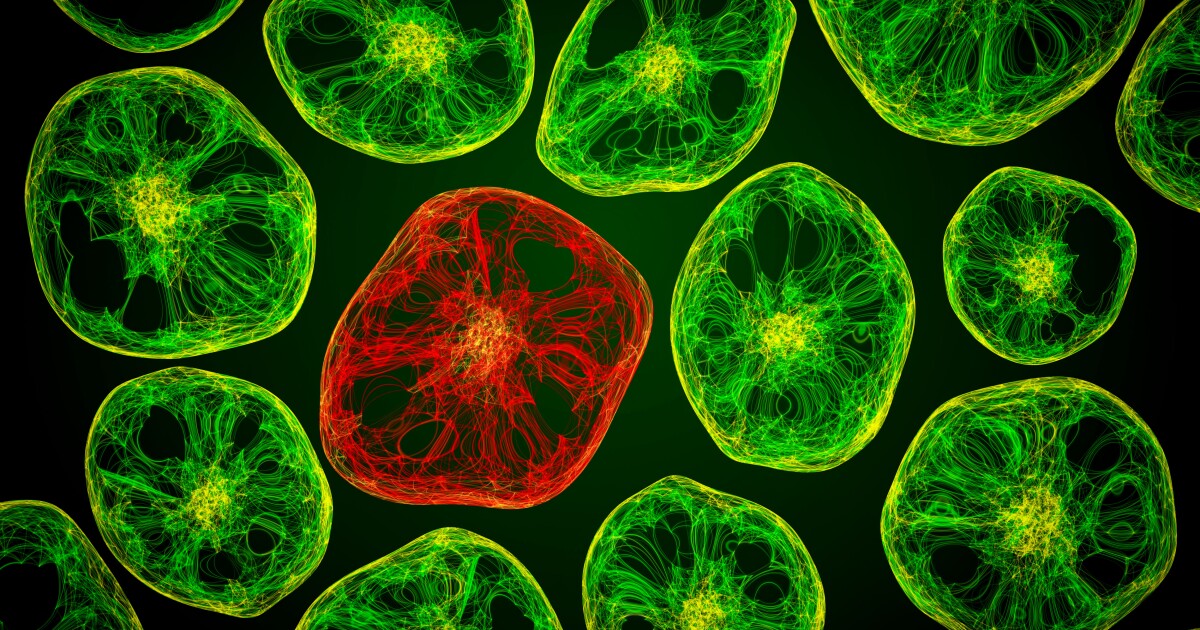
This may be about as wildly entertaining, disruptive and philosophically profound as legitimate scientific research gets. Michael Levin's work in cellular intelligence, bioelectrical communication and embodied minds "is going to overturn everything."

08:03

YouTube

Can cells think? | Michael Levin

We know that humans are an intelligent species. But this biologist breaks down the intelligence of each of our cells — and it will blow your mind. ❍ Subscribe to The Well on YouTube: https://bit.ly/welcometothewell ❍ Up next: An evolutionary history of the human brain, in 7 minutes https://www.youtube.com/watch?v=NGArM23mMNM Michael Levin, a developmental biologist at Tufts University, challenges conventional notions of intelligence, arguing that it is inherently collective rather than indivi

Multiscale Intelligence & The "Self"
Levin proposes that all biological systems are "nested problem solvers." Just as humans solve problems in 3D space, individual cells and tissues solve problems in morphospace (the space of all possible anatomical shapes).
  • He argues that DNA provides the hardware (proteins), but the "software"—the decision-making on what shape to build—is mediated by bioelectrical networks.
  • Biology is incredibly plastic. He cites examples like caterpillars retaining memories as butterflies even after their brains are dissolved, and planaria (flatworms) that can regenerate any part of their body.
Bioelectricity: The Software of Life
The core mechanism for this cellular communication is bioelectricity. All cells (not just neurons) have ion channels and gap junctions that allow them to communicate electrically.
  • Levin shows a time-lapse of a frog embryo where the "face" appears as a bioelectrical pattern before the physical face forms. This electrical pattern guides where the eyes, mouth, and nostrils go.
  • By altering these electrical signals (using drugs or light to open/close ion channels), Levin’s lab can "reprogram" the anatomy.
  • They induced an eye to grow on a tadpole's gut simply by introducing the specific bioelectric state for "eye." The cells recruited their neighbors to help build a complete, functional eye.
  • Adult frogs normally cannot regrow legs. By applying a "cocktail" that modifies ion channels, they induced frogs to regrow functional legs after amputation.
Planaria: Immortality and Memory
Planaria are a model organism for his work because they are immortal and highly regenerative.
  • By temporarily altering the bioelectric circuit that says "one head," they created two-headed worms. Crucially, if you cut these two-headed worms, they regenerate as two-headed, showing that the memory of the body plan is stored in the electrical network, not the DNA.
  • By tweaking the electrical network, they can force planaria to regenerate head shapes belonging to entirely different species (separated by 150 million years of evolution), again without touching the genome.
The TAME Framework & Future Implications
He outlines his framework TAME (Technological Approach to Mind Everywhere), which seeks to recognize and classify intelligence regardless of its origin (evolved, designed, or hybrid).
  • He views cancer as a failure of communication where cells stop cooperating with the larger body and revert to a unicellular survival mode. Reconnecting them electrically can normalize the tissue.
  • The long-term goal is to build a system where one can specify a biological shape, and the compiler determines the stimuli needed to get cells to build it. This would revolutionize medicine, curing birth defects and degenerative diseases by "convincing" cells to rebuild correctly.
His work demonstrates that there is wisdom within the electrical networks of the body/mind and not just within DNA.

Copyright Steven Simmons ©

Supporting Material
Adult version of the elephant path.
Good for facilitating nightly talks.
Boy version is available to.
Next Section - Summary of Healing Needs

Copyright Steven Simmons ©